
In this post, I’m explaining the importance of what I consider are 4 absolutely top nutrients for early pregnancy: folate, iodine, vitamin B12, and choline. For each one, I’ll explain why it matters, how much you need, and the best food sources to focus on.
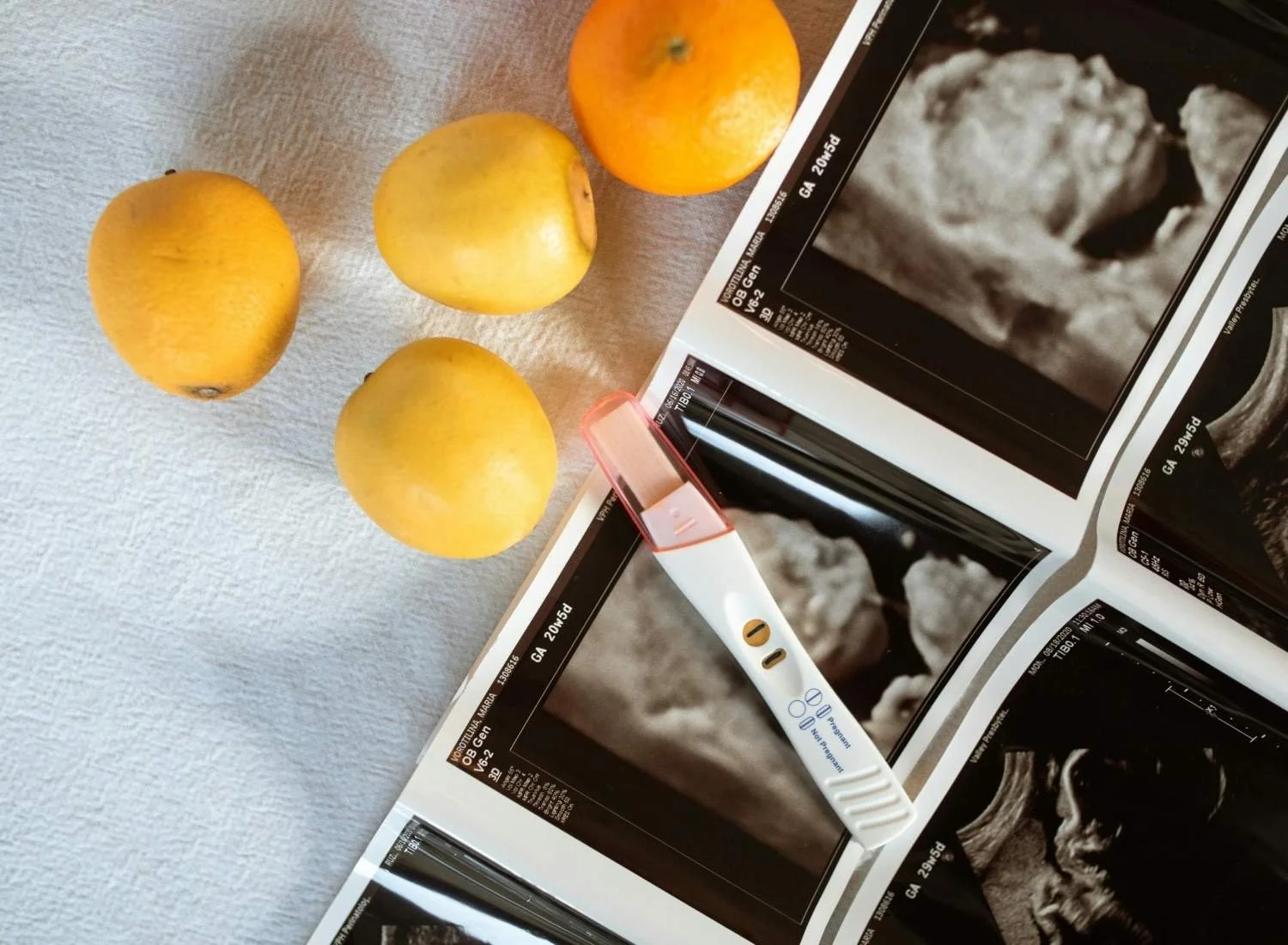
The first trimester of pregnancy is a remarkable - and remarkably busy! - time. Your baby’s neural tube, heart, digestive system and circulatory system are all beginning to take shape, often before you’ve even had a chance to process that positive test. Early pregnancy nutrition can feel so high-stakes, especially if you’ve been waiting some time for this moment to arrive.
Here’s what I want you to know: nourishing yourself during this time doesn’t need to be complicated or overwhelming, and it’s not about figuring out some perfect diet. We’re going to focus on 4 key nutrients - ones that have a significant body of research behind them, and that you can get from everyday foods.
A note before we dive in: early pregnancy is also one of the life stages where it’s genuinely difficult to meet all your nutritional needs through diet alone. Supplementation is typically appropriate especially for folate and iodine - but what’s exactly right for you depends on your individual circumstances, diet, and health history. I’ll flag this as we go.
Why nutrition in early pregnancy matters
Beyond the basics of supporting your own health and energy levels, what you eat in early pregnancy may impact on your baby’s development and even have some potential impact on their long-term health outcomes.
This is largely due to epigenetics - the process by which certain genes are switched on or off as your baby grows and develops. Without being too rigid - and with a good amount of grace for the nausea & food aversions that are common in the first trimester! - we want to support pregnancy with nourishing food choices.
The focus here is on adding in and making achievable tweaks - not fearmongering, not overwhelming. Small, meaningful changes to your eating habits during this window can have a positive ripple effect on your child’s health.
1. Folate
Why it matters
Folate (a B-vitamin) is perhaps the most well-known pregnancy nutrient - and for very good reason. It plays a critical role in the formation of your baby’s neural tube, which develops into the brain and spinal cord. This starts to happen incredibly early in pregnancy - around weeks three to four - often before many people even know they’re pregnant.
Insufficient folate at this stage is associated with an increased risk of neural tube defects such as spina bifida and anencephaly. But adequate intake also has broader benefits: research links good folate status in early pregnancy with a reduced risk of other issues including congenital heart defects, preterm delivery and pre-eclampsia.
Folate works alongside vitamin B12 to support DNA and RNA synthesis and healthy red blood cell production - making it essential during any period of rapid growth, including pregnancy. Because it’s so critical, many foods (like bread and cereals) are now fortified with folic acid to help the population meet their needs.
How much do you need?
During pregnancy, your recommended dietary intake increases from 400 µg to 600 µg of folate per day.
Best food sources
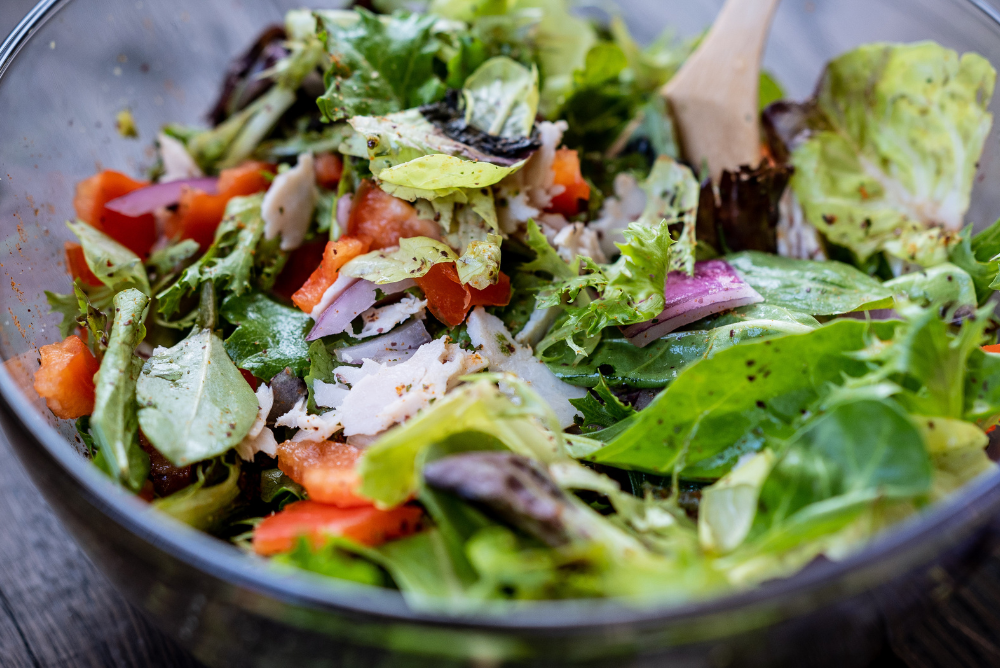
Dark leafy greens - spinach, asparagus, broccoli, Brussels sprouts -
Citrus fruits
Legumes - lentils, chickpeas, kidney beans
Nuts and seeds - peanuts, almonds, sunflower seeds
Eggs (well-cooked during pregnancy)
Fortified wholegrains - bread, cereals
To put that in context: half a cup of boiled spinach contains around 131 µg of folate, half of cup of cooked lentils contains around 180 µg of folate, and one medium orange contains around 55 µg of folate
An important note: while folate-rich foods are absolutely worth prioritising, most health guidelines also recommend taking 500mcg supplemental folic acid or folate before conceiving and throughout early pregnancy to maximise protection against neural tube defects. This is one area where diet alone often isn’t enough, and getting personalised advice is worthwhile.
2. Iodine
Why it matters
Iodine is essential for the healthy development of your baby’s brain, nervous system, and skeleton during early pregnancy. It also plays a key role in thyroid function - your thyroid becomes significantly more active during pregnancy, producing around 50% more thyroid hormones and requiring more iodine to do so.
Iodine deficiency during pregnancy is associated with an increased risk of certain pregnancy complications and can also affect fetal development - so this is a nutrient that deserves serious attention.
How much do you need?
Your iodine requirements increase from 150 µg/day (standard adult intake) to 220 µg/day during pregnancy, and 270 µg/day while breastfeeding.
Research suggests dietary intake alone is unlikely to meet these increased demands, which is why a supplement containing 150 µg of iodine is commonly recommended for people who are planning to conceive, pregnant, or breastfeeding. Yes - you need a supplement at all three stages!
Best food sources
Dairy products - milk, yoghurt, cheese
Eggs
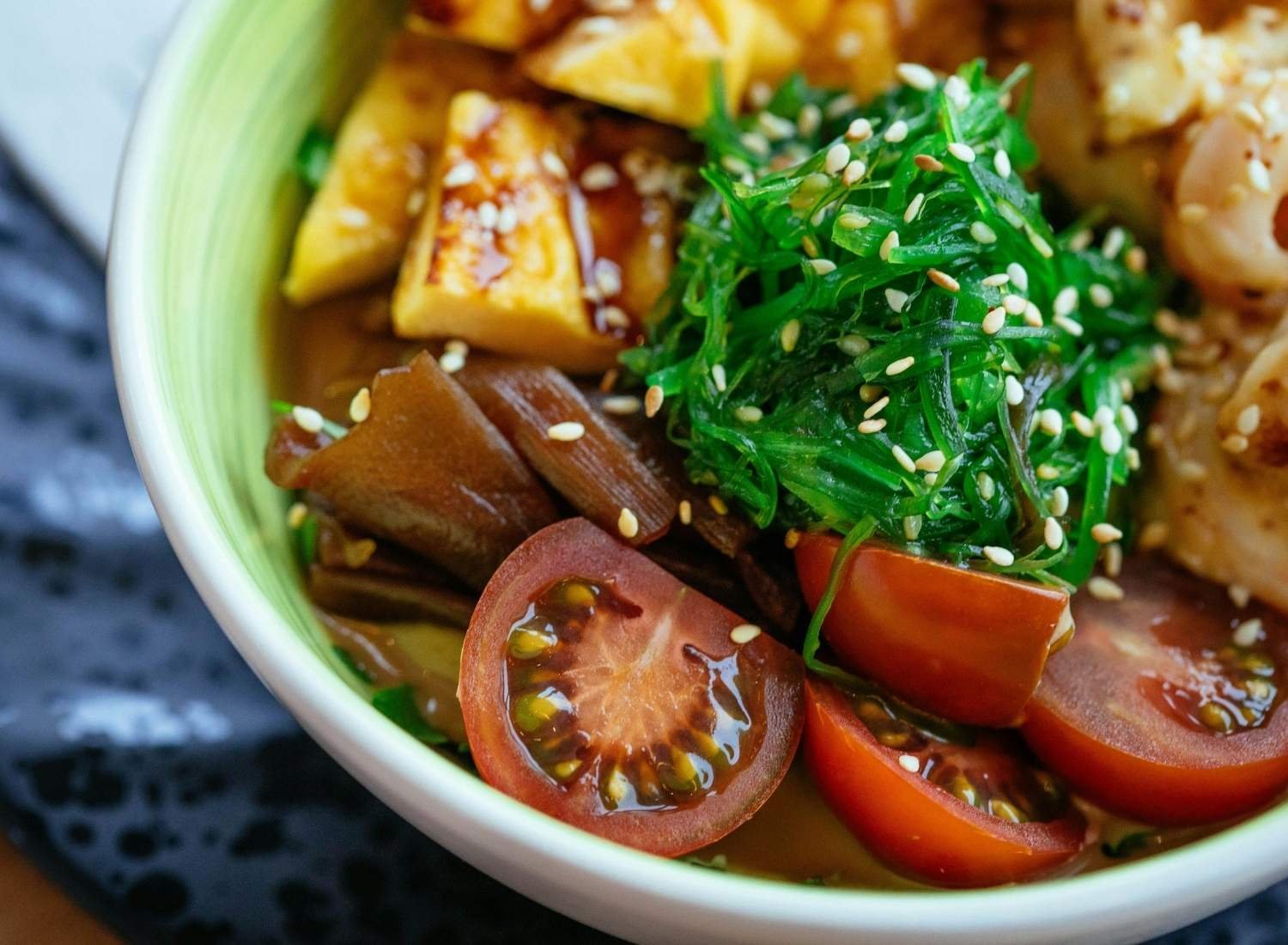
Seaweed
Seafood - particularly white fish like cod and haddock (avoid raw seafood and limit high-mercury varieties during pregnancy)
Iodised table salt
Fortified bread
As a rough guide: two slices of fortified wholegrain bread can contain around 309 µg of iodine (check the label, as this varies by brand), 85 g of baked cod contains approximately 158 µg, and ¼ teaspoon of iodised salt contains about 76 µg
3. Vitamin B12
Why it matters
Vitamin B12 (cobalamin) works hand-in-hand with folate to support your baby’s spinal cord and brain development, as well as DNA production. It’s essential for blood cells and nerve health. B12 deficiency has been linked to increased risk of pregnancy loss, neural tube defects and some pregnancy complications including pre-eclampsia and low birth weight.
Pregnancy naturally increases your nutrient demands, which can deplete your B12 stores over time.
How much do you need?
Your B12 requirements increase slightly during pregnancy, from 2.4 µg/day to 2.6 µg/day.
Best food sources
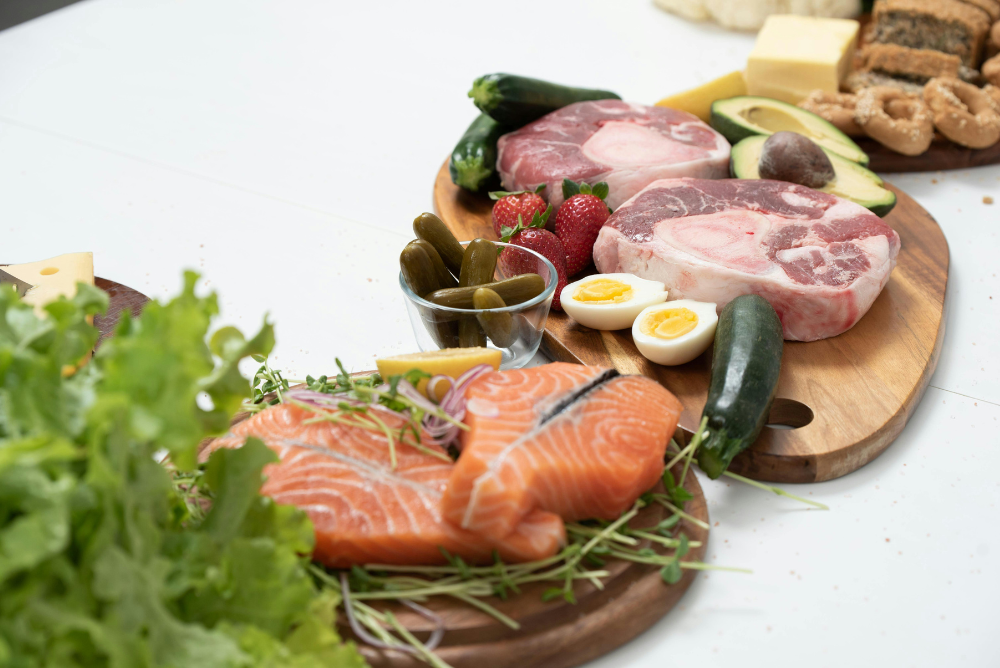
Animal products - fish, meat, poultry, eggs, and dairy. These are the richest sources and the only naturally occurring source of B12 - it is only found in foods derived from animal sources.
Fortified breakfast cereals and juices (check label)
Fortified plant-based alternative foods - plant milks, plant-based yoghurts, and nutritional yeast (check label)
For context: an 85 g portion of salmon contains 2.6 µg of B12 (covering your full daily pregnancy requirement), two eggs contain 1.1 µg, and 85 g of lean beef mince contains about 2.4 µg
If you’re vegetarian or vegan, B12 can be tricky to obtain from your diet - supplementation is often necessary, and worth discussing with your nutritionist or GP.
4. Choline
Why it matters
Choline is arguably the most underrated nutrient in pregnancy nutrition - it’s not talked about nearly as much as folate, yet it’s so important! Choline is essential for cell membrane formation and repair, healthy brain and nervous system function, and energy metabolism.
During early pregnancy specifically, choline plays a key role in supporting your baby’s rapid cell growth and division, contributing to brain development (including the hippocampus - the area responsible for learning, memory and attention), facilitating healthy blood flow to your growing baby, and reducing the risk of neural tube defects and other birth complications.
Research has shown that adequate choline intake during pregnancy may potentially improve a child’s attention span later in life. That’s a pretty remarkable finding for a nutrient many people have never heard of.
How much do you need?
During pregnancy, your choline needs increase to around 440 mg/day in pregnancy and a huge 550mg/day if you’re breastfeeding (up from 425 mg/day for non-pregnant females). Your liver can produce small amounts of choline, but not enough to meet pregnancy requirements - so dietary intake really does matter here.
Best food sources
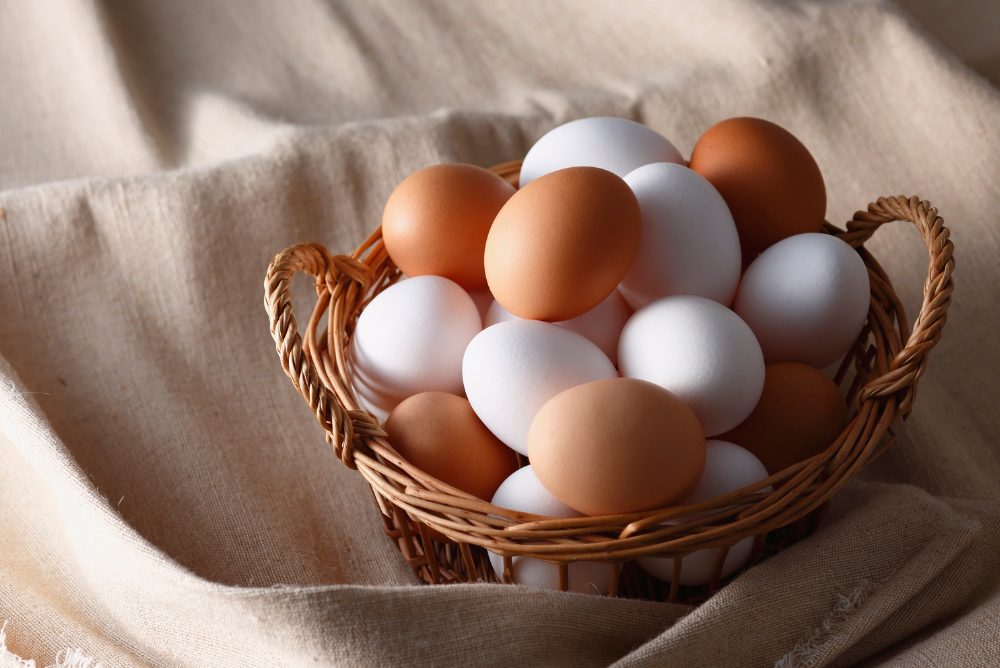
Eggs - one of the richest sources of choline available, it’s in the yolk
Meat, poultry and fish
Dairy products
Soybeans, edamame, tofu and tempeh
Cruciferous vegetables - like broccoli, Brussels sprouts, bok choy, kale
To give you a sense of quantities: one large egg contains 147 mg of choline, half a cup of edamame contains 107 mg, and 85 g of roasted chicken breast contains 72 mg
Like B12, choline can be harder to obtain in adequate amounts on a vegetarian or vegan diet. Supplementation can be helpful and is worth discussing with a health professional.
Putting it all together
Folate, iodine, B12, and choline are four nutrients that work hard during early pregnancy - for you and for your baby. Prioritising food sources of each is a great foundation, but for most people targeted supplementation will also play a role. What you need specifically will depend on your diet, health history, and stage of pregnancy.
If you’d like personalised support to make sure you’re covering all your bases - including the right prenatal supplement for your individual needs - I’d love to work with you. Book a 1:1 pregnancy nutrition consultation with me.
References
General pregnancy nutrition
Better Health Channel, Victorian Government. (2023). Pregnancy and diet. https://www.betterhealth.vic.gov.au/health/healthyliving/pregnancy-and-diet
National Health and Medical Research Council (NHMRC) & New Zealand Ministry of Health. (2006, updated 2017). Nutrient Reference Values for Australia and New Zealand Including Recommended Dietary Intakes. https://www.nhmrc.gov.au/about-us/publications/nutrient-reference-values-australia-and-new-zealand-including-recommended-dietary-intakes
Folate
Greenberg, J.A., Bell, S.J., Guan, Y., & Yu, Y.H. (2011). Folic acid supplementation and pregnancy: more than just neural tube defect prevention. Reviews in Obstetrics and Gynecology, 4(2), 52–59. https://pmc.ncbi.nlm.nih.gov/articles/PMC3218540/
Viswanathan, M., et al. (2023). Folic acid supplementation to prevent neural tube defects: updated evidence report and systematic review for the US Preventive Services Task Force. JAMA, 330(5), 459–466. https://pubmed.ncbi.nlm.nih.gov/37526714/
Obeid, R., et al. (2019). Folate supplementation for prevention of congenital heart defects and low birth weight: an update. Cardiovascular Diagnosis and Therapy, 9(Suppl 2), S424–S433. https://pmc.ncbi.nlm.nih.gov/articles/PMC6837928/
NHMRC Eat for Health. (2006, updated 2017). Nutrient Reference Values: Folate. https://www.eatforhealth.gov.au/nutrient-reference-values/nutrients/folate
Iodine
Zimmermann, M.B. (2012). The effects of iodine deficiency in pregnancy and infancy. Paediatric and Perinatal Epidemiology, 26(Suppl 1), 108–117. https://onlinelibrary.wiley.com/doi/10.1111/j.1365-3016.2012.01275.x
Toloza, F.J.K., et al. (2020). Consequences of severe iodine deficiency in pregnancy: evidence in humans. Frontiers in Endocrinology, 11, 409. https://www.frontiersin.org/journals/endocrinology/articles/10.3389/fendo.2020.00409/full
NHMRC Eat for Health. (2006, updated 2017). Nutrient Reference Values: Iodine. https://www.eatforhealth.gov.au/nutrient-reference-values/nutrients/iodine
Vitamin B12
Allen, L.H. (1994). Vitamin B12 metabolism and status during pregnancy, lactation and infancy. Advances in Experimental Medicine and Biology, 352, 173–186. https://pubmed.ncbi.nlm.nih.gov/7832046/
Finkelstein, J.L., et al. (2015). Vitamin B-12 and perinatal health. Advances in Nutrition, 6(5), 552–563. https://pmc.ncbi.nlm.nih.gov/articles/PMC4561829/
Rogne, T., et al. (2017). Associations of maternal vitamin B12 concentration in pregnancy with the risks of preterm birth and low birth weight: a systematic review and individual participant data meta-analysis. American Journal of Epidemiology, 185(3), 212–223. https://pmc.ncbi.nlm.nih.gov/articles/PMC5390862/
NHMRC Eat for Health. (2006, updated 2017). Nutrient Reference Values: Vitamin B12. https://www.eatforhealth.gov.au/nutrient-reference-values/nutrients/vitamin-b12
Choline
Caudill, M.A., et al. (2018). Maternal choline supplementation during the third trimester of pregnancy improves infant information processing speed: a randomized, double-blind, controlled feeding study. FASEB Journal, 32(4), 2172–2180. https://faseb.onlinelibrary.wiley.com/doi/abs/10.1096/fj.201700692RR
Bahnfleth, C.L., et al. (2022). Prenatal choline supplementation improves child sustained attention: a 7-year follow-up of a randomized controlled feeding trial. FASEB Journal, 36(1), e22054. https://pubmed.ncbi.nlm.nih.gov/34962672/
National Institutes of Health, Office of Dietary Supplements. (2022). Choline: Fact Sheet for Health Professionals. https://ods.od.nih.gov/factsheets/Choline-HealthProfessional/
NHMRC Eat for Health. (2006, updated 2017). Nutrient Reference Values: Choline. https://www.eatforhealth.gov.au/nutrient-reference-values/nutrients/choline